
Photovoice vaping research: the photograph is only part of the account
Read who made an image, how participants interpreted it and what action the project sought, without treating photographs as a survey.
No Vape · Updated
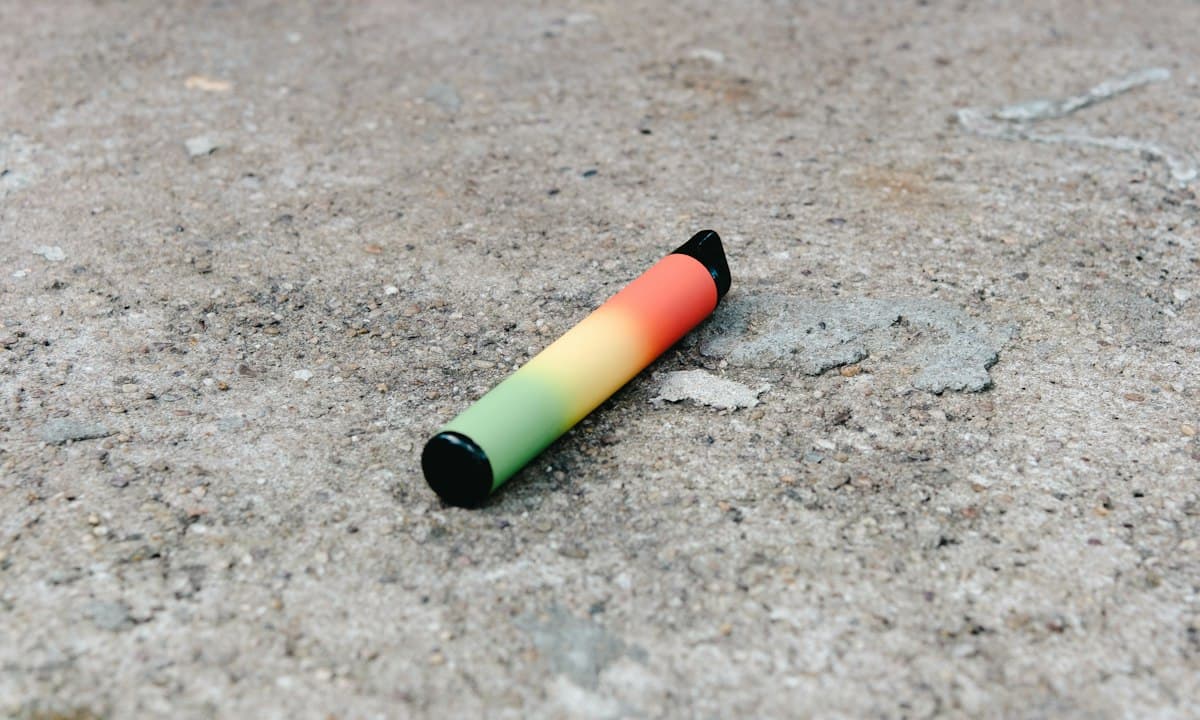
Distinguish a research image from an illustration
A news story may use a stock photograph simply to illustrate a topic. In a participant-generated visual study, the making and discussion of an image can be part of the research material. Find who produced the photographs, the prompt they received and the role images played in analysis. Do not assume that every image published beside a finding was collected through Photovoice.
Bugos and colleagues’ original CDC methods article distinguishes photo-elicitation interviews from the wider action-oriented Photovoice approach. The distinction supplies a way to read the procedure, not evidence about vaping outcomes. The authors also address ethical handling of images; their guidance does not certify the permissions of a different project.
Read the image and account together
Ask what meaning the participant gave the photograph and how the researchers used that account. A visually striking detail may mean something different to its maker than it means to an outside viewer. Preserve the accompanying explanation instead of substituting a personal guess about dependence, motive or social background.
Imagine a fictional photograph of an empty bench described by its maker as a place where friends used to gather. That account concerns the participant’s experience of the space. It does not show how many people vape there, identify anybody who uses the bench or prove a reason for quitting. The example is invented and contains no actual participant image or finding.
Locate the action purpose and the privacy boundary
If the report calls the project Photovoice, identify how participant perspectives were intended to reach a decision or action. A display, discussion or policy proposal has its own purpose and audience. Do not count an exhibition as evidence that an intervention changed behavior, or assume an action was implemented merely because participants recommended it.
Published access to a research image is also different from unrestricted permission to reuse it. Avoid identifying people, places or private details beyond what is necessary to discuss the report. If you want to republish an image, inspect its actual permission and license separately. This reading guide does not instruct you to photograph other people or collect images for informal surveillance.
Make a visual-evidence note
Retain four linked items: image-making task, participant explanation, analytical interpretation and stated action. Note which parts are available in the material you read. If a social post shows only the picture, the omitted account remains unverified. Seek the original report before attributing a deeper meaning to the participant or researchers.
A visual project can raise practical questions about the environments people experience without measuring population prevalence. It can help you notice a question about your own routine while leaving clinical and causal claims open. Do not turn familiarity with an image into evidence that your circumstances are identical. The useful output is a bounded description of what the visual account contributes and what it cannot answer.
Sources and scope
Sources inform the guidance. The worksheets and examples are No Vape editorial suggestions, not tested treatments.
Written with AI assistance and checked against the cited sources. No clinical review is claimed. This guide covers practical planning, not individual medical treatment. How we research and write