
Is that vaping-news photo evidence of the event being described?
Check the caption, credit and earlier uses of a dramatic health-news image before treating it as a photographed case or study result.
No Vape · Updated
Name the visual claim before investigating
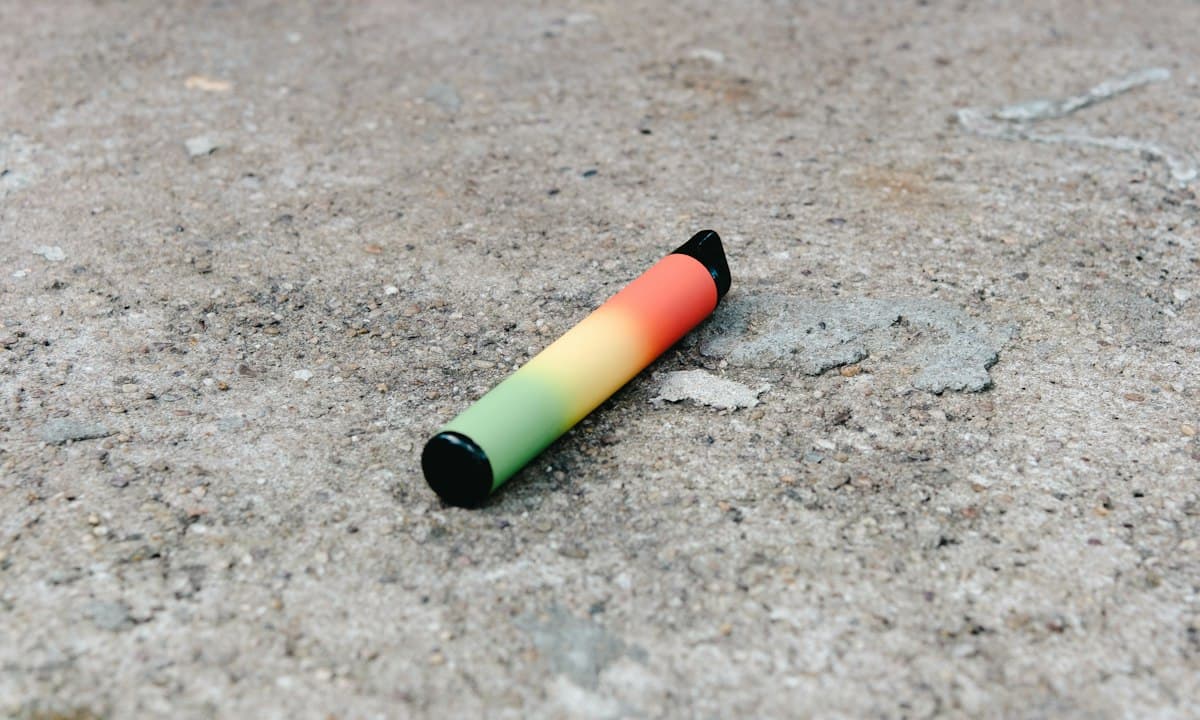
Ask what the image is being presented as: an actual scene, an illustrative stock photo, a diagram or another type of visual. A reader may supply a stronger story than the publisher stated. A close-up of a device can illustrate an article without documenting the product used by the people in its research.
Open the original page if a repost cropped away the caption and credit. Keep the headline, caption and your own inference separate. Do not identify a photographed person as a patient or participant unless the source establishes that role. An emotional expression does not supply a diagnosis, and an image of a laboratory does not prove that it hosted the experiment.
Use contextual tools with their limits
Google’s About this image guidance describes information such as when a similar image may first have been seen and other pages using it. It also notes regional availability and that metadata can be changed. These are ways to investigate context, not a universal authenticity certificate or a complete publication history.
Where such a tool is available, use it for the public image you are checking and inspect the actual linked pages. An older match may reveal an unrelated original context, but visual similarity can also return a different image. Search timing is not the same as when the photograph was taken. Do not upload private health pictures or other people’s screenshots to investigate a public story.
Compare the caption with the reuse
In an invented example, a repost labels a dramatic room photo as a scene from a new vaping study. The original publication describes it as an illustrative image with a credit. The useful correction is to preserve that illustrative role and withdraw the event claim. This example asserts no real miscaptioned post or study result.
If earlier uses conflict, list the documented contexts without choosing the most dramatic one. You can ask the publisher which source supports its caption. Do not accuse the pictured person or photographer of deception from a search result, and do not claim an AI detector settled the matter. A missing credit can remain a genuine unresolved gap.
Separate visual provenance from the article’s evidence
An illustrative image does not automatically invalidate the written research, just as a genuine photo does not establish every claim beside it. Read the underlying evidence separately for a health conclusion. When sharing the story, keep its original caption or explicitly avoid claiming that the image documents a particular case.
Your output is a visual-context note: stated role, original credit or source, earlier use if verified, and what remains unestablished. It is an editorial check, not forensic authentication or clinical review. If viewing the image itself becomes an unwanted cue, close it and return to your practical plan; you do not need to settle its provenance before leaving the content.
Sources and scope
Sources inform the guidance. The worksheets and examples are No Vape editorial suggestions, not tested treatments.
Written with AI assistance and checked against the cited sources. No clinical review is claimed. This guide covers practical planning, not individual medical treatment. How we research and write