
Change the habit of vaping as soon as you get home
Create a landing routine that preserves decompression while changing the doorway, bag and first-seat cues associated with vaping.
No Vape · Updated
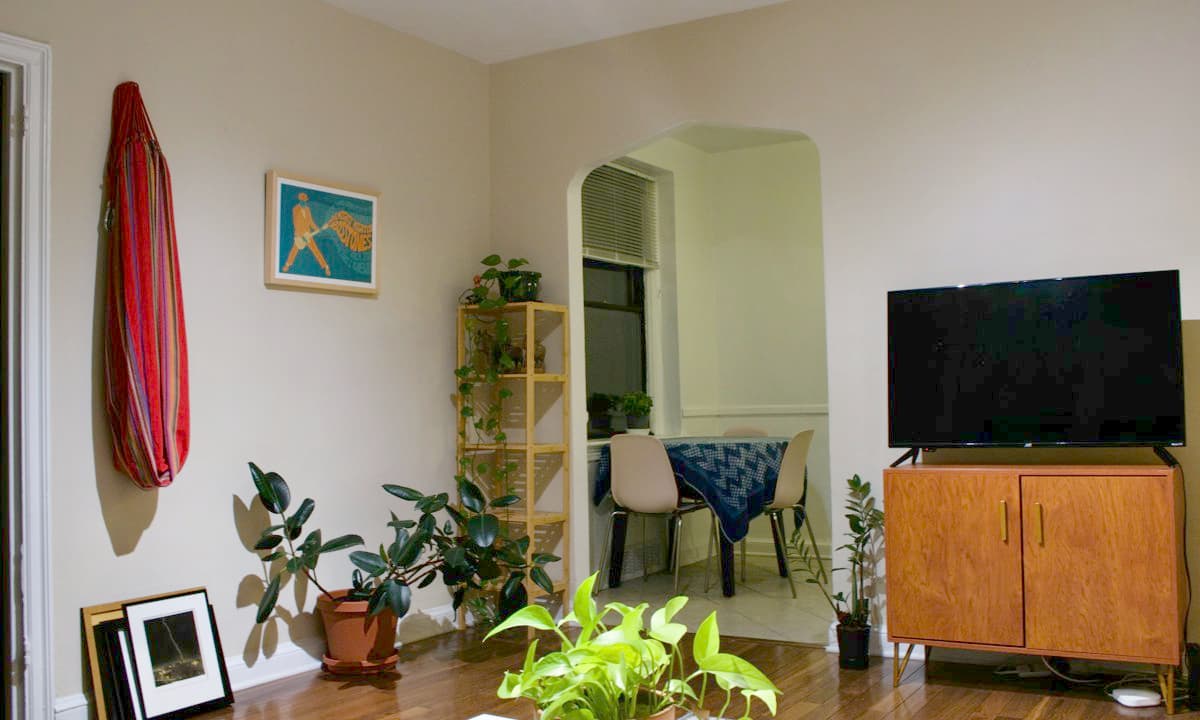
Look at the doorway sequence
Reconstruct the first few minutes after arriving: unlock the door, drop the bag, reach into a pocket and sit down. Identify where your vape normally enters the sequence. Familiar routines are one kind of trigger described by Smokefree; the planning opportunity here is the transition between outside obligations and home.
Do not begin by redesigning the entire evening. Choose the earliest step you control. A different place for your bag may help only if it also changes what you do next; moving the bag without addressing a device in your pocket may leave the same sequence intact.
If other people greet you with questions or requests, include that reality. A useful plan can contain a brief sentence such as “I'll put my things away and then we can talk.” It should not depend on entering an empty, perfectly quiet home every day.
National Cancer Institute — Smokefree.gov: Know Your Vaping Triggers
Keep decompression, change its form
Choose a landing activity with a clear endpoint: change clothes, wash up, prepare an ordinary snack or sit in a different place with your usual drink. The choice should fit the time before your next responsibility. It is a transition, not a demand to start another productive project immediately.
Consider an example: someone comes home from a shift and vapes on the kitchen stool while checking messages. Their new sequence is to put the bag on its hook, change clothes and spend a short break in the living room before opening messages. They keep a pause while changing the seat and order.
If there is no separate room, create the change through the activity or objects instead. Put work materials away before sitting, move the phone out of the immediate sequence or prepare the evening task before taking the break. Small homes can still support a different order of actions.
Prepare for arrivals that do not match the plan
After an unusually late or difficult day, use a minimum version: put belongings away, meet immediate care needs and follow the next step in your quit plan. You do not need to complete an elaborate routine before having dinner or responding to someone who needs you.
Review where the sequence failed to fit. Perhaps the chosen break conflicted with childcare, or the snack was unavailable. Change that practical detail rather than deciding you cannot unwind without vaping. When you need emotional support, ask for it directly instead of expecting the arrival routine to carry the entire burden of the day.
Questions about this step
What if home is also my workplace?
Use a deliberate transition such as closing the work files, putting away a work item and changing location or activity. You may not have a doorway commute, but you can still mark the move from work obligations to your evening with a visible action.
Sources and scope
Sources inform the guidance. The worksheets and examples are No Vape editorial suggestions, not tested treatments.
Written with AI assistance and checked against the cited sources. No clinical review is claimed. This guide covers practical planning, not individual medical treatment. How we research and write