
Change the habit of vaping at your work-from-home desk
Separate work, breaks and device reminders in a home workspace, even when you cannot dedicate a room to work.
No Vape · Updated
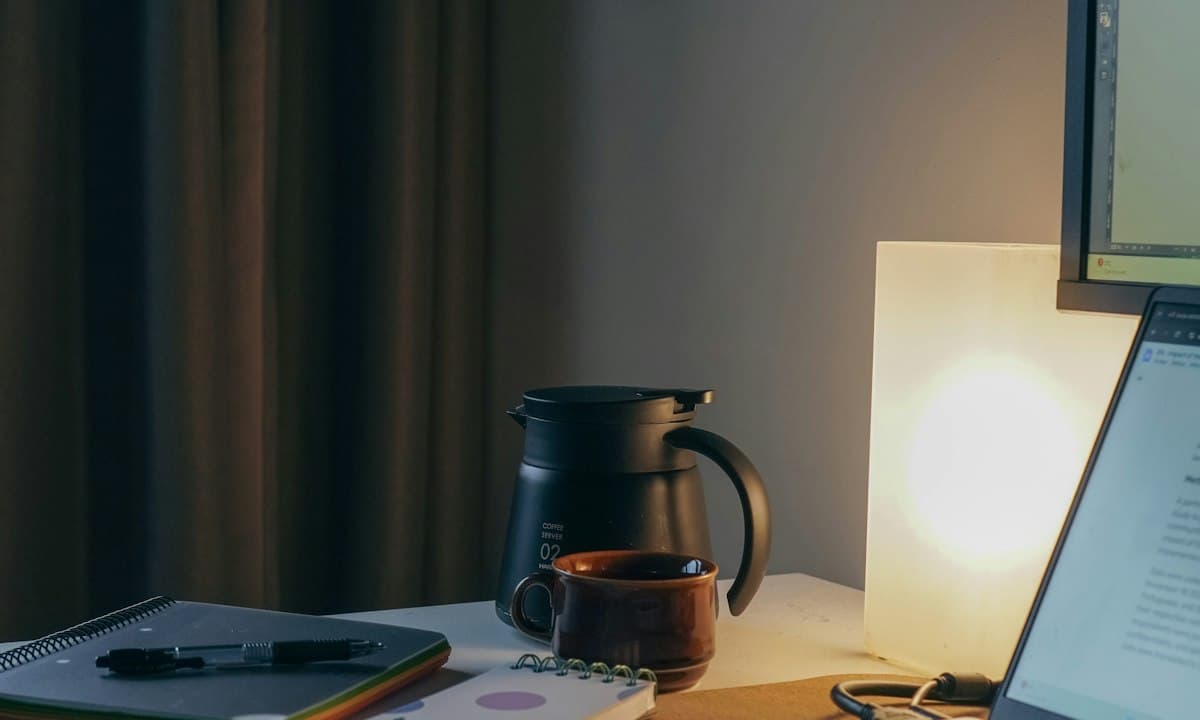
Notice continuous access rather than blaming the desk
Working at home can leave the same objects within reach across meetings, messages and breaks. Describe when you reach for the vape: while waiting for a call, reading an email or finishing a task. A specific moment provides a better planning target than deciding that the entire room is a problem.
Smokefree discusses routine and environmental triggers. Use that guidance to inspect your own setup. The desk itself does not diagnose dependence, and moving an object is not a complete quitting treatment. It is one practical part of changing the sequence around your work.
National Cancer Institute — Smokefree.gov: Know Your Vaping Triggers
Mark the difference between working and pausing
If work and breaks happen in the same chair, choose a recognizable transition. You could close the work document, put a notebook aside or turn toward a different activity during a permitted break. Select actions compatible with your space, mobility and job requirements.
For example, someone using a kitchen table might clear one side of it at lunch and return the work materials afterward. The purpose is to make the change of activity explicit. You do not need to create an elaborate home-office ritual or buy furniture to use the idea.
Coordinate with other people at home
If someone else vapes in the shared area, ask for a concrete boundary around your work materials or scheduled break. Keep the request specific and respect their belongings. If an agreement is not possible, choose the part of the setup you control and prepare another activity or location when practical.
Remote work can also make support less spontaneous. Arrange a contact you can actually use outside meetings rather than assuming someone will notice you are having a difficult moment. A scheduled conversation can complement your plan without turning a colleague into a monitor.
National Cancer Institute — Smokefree.gov: Get Ready to Quit Vaping
End the workday with a deliberate handoff
When work finishes, decide what marks the transition: saving the document, putting equipment away or starting the next household task. If the desk remains visible all evening, leave a short note about tomorrow's first work action so unfinished tasks do not require repeated checking.
Review one change at a time. If you changed the break location and it was inconvenient, revise that detail. You can learn whether the setup is workable without claiming that a tidier desk automatically reduces cravings or improves your health.
Questions about this step
What if I work from the only room I have?
Use a change in activity or arrangement rather than requiring a separate room. A small, recognizable transition can be planned within a shared space; choose something that fits your responsibilities and physical access.
Sources and scope
Sources inform the guidance. The worksheets and examples are No Vape editorial suggestions, not tested treatments.
Written with AI assistance and checked against the cited sources. No clinical review is claimed. This guide covers practical planning, not individual medical treatment. How we research and write